.webp)







The Wandering Village is one of the most refreshing and imaginative city-building survival games in recent years. Set on the back of a colossal wandering creature known as Onbu, the game blends settlement building, resource management, environmental storytelling, and symbiosis into a single moving ecosystem. Your village survives only if Onbu survives, and your choices constantly affect one another.
Below is an in-depth guide designed to help you understand the game’s world, survive the harsh biomes, and learn how to balance the delicate relationship between your people and the majestic creature carrying them across the dying lands.
Introduction
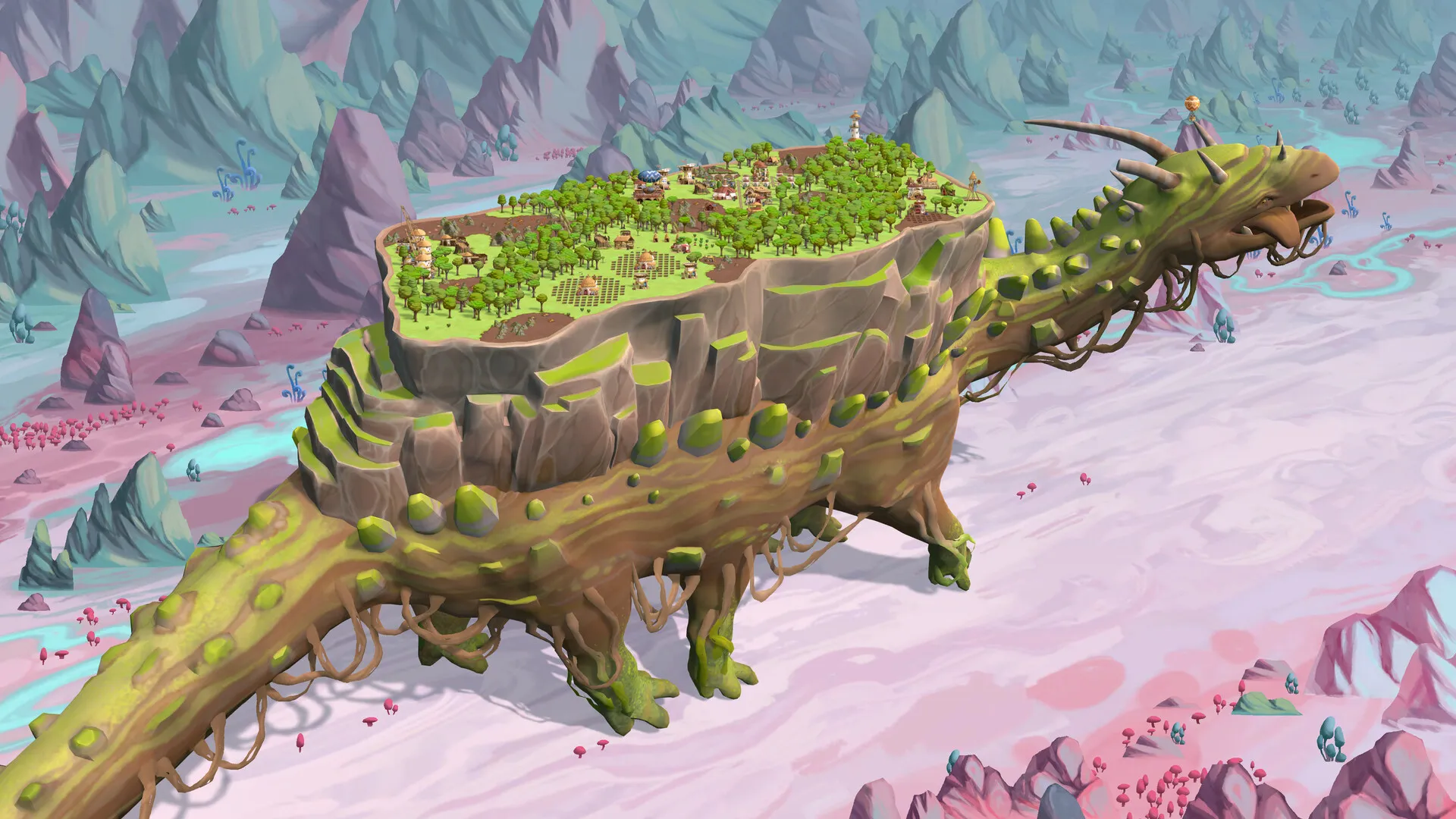
The world of The Wandering Village is ravaged by toxic spores, barren landscapes, and dying civilizations. Humanity’s last hope lies in establishing symbiotic settlements atop giant creatures—Onbus—whose massive bodies are strong enough to shield life from the poisonous ground below.
You play as the leader of a nomadic tribe that seeks refuge on the back of one such creature. From this point forward, your survival is tied to Onbu’s survival. If it starves, collapses, or grows ill, your entire village risks extinction.
This guide explores gameplay, strategy, worldbuilding, story interpretation, and advanced tips so you can master both city building and creature care.
The World of the Wandering Village
A Dying Planet
The planet has suffered ecological collapse due to spreading fungal contamination. Toxic spores blanket the land, leaving only patches of livable environments. Scavengers roam the wastelands, remnants of forgotten societies litter the ground, and storms, droughts, and polluted zones constantly threaten your survival.
The game does not tell the story through cutscenes but through environmental storytelling—old ruins, abandoned technology, toxic remnants, and fragmented lore offer clues about the past.
Onbu: The Last Titan
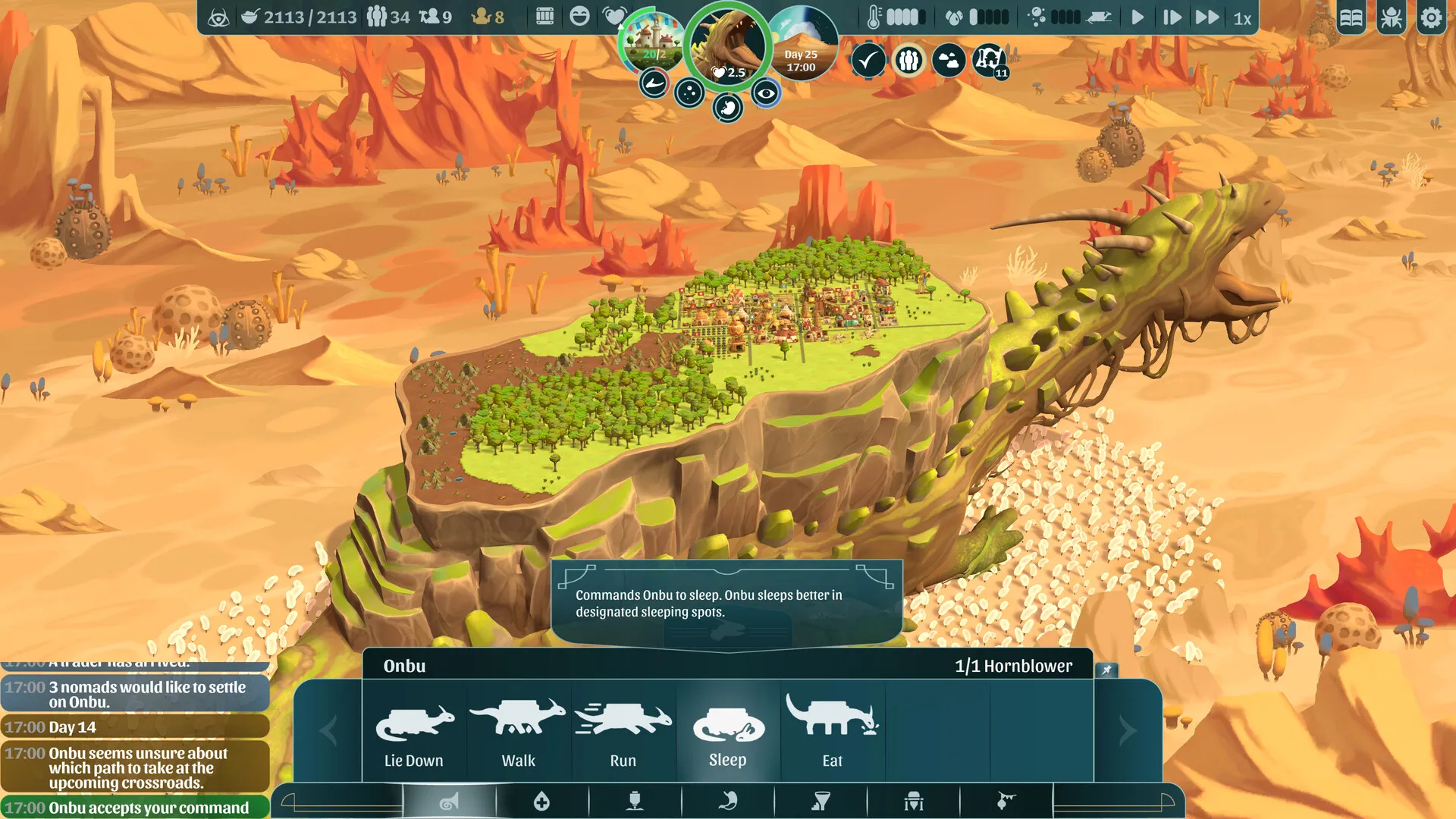
Onbu is not merely a creature; it is an entire living ecosystem. Its massive body becomes your land. Its breath, heartbeat, and hunger directly affect your village's stability. Onbu responds emotionally to your care—trust plays a massive role in long-term survival.
Core Gameplay Mechanics
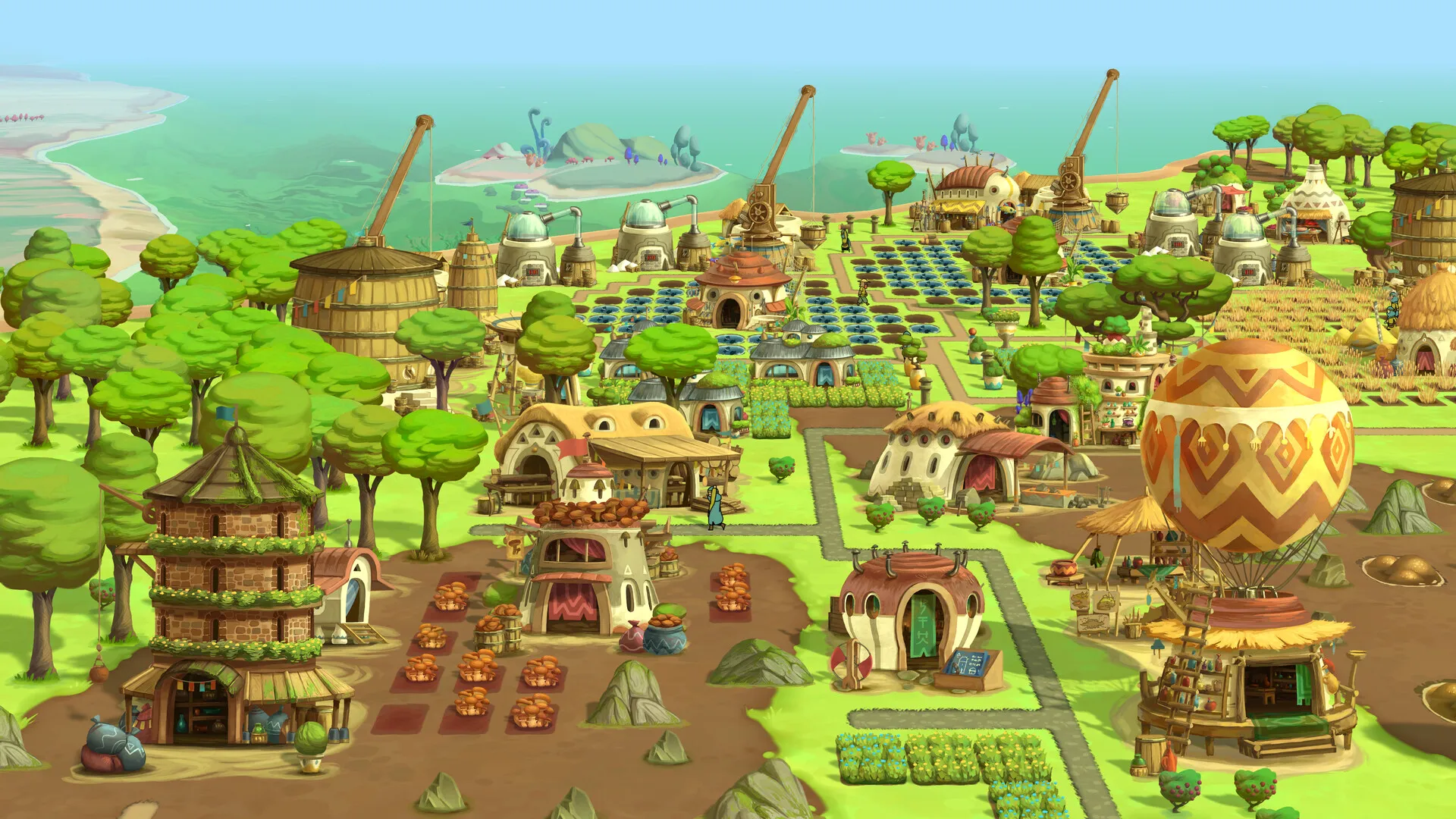
Building Your First Village
You begin with a small group of settlers and extremely limited resources. Your first priorities should be:
- Securing food production (berries, farms)
- Building housing to increase productivity
- Creating water storage
- Setting up research buildings
- Monitoring Onbu’s vitals
The world keeps moving beneath your feet, literally. Onbu's wandering means you must always adapt to changing environments.
Resource Management
Everything depends on your ability to secure renewable resources:
- Water: Only available in humid or cold biomes
- Food: Berries, crops, mushrooms for Onbu
- Wood & Stone: Harvested from Onbu's body or scavenged from ground expeditions
- Herbs & Medicine: Critical for treating illness
Balancing early growth with long-term production is key.
Understanding Onbu
Trust and Commands
Onbu does not obey you automatically. You must build trust through:
- Feeding it
- Treating it when sick
- Avoiding harmful extraction methods
- Building structures carefully
Once trust grows, Onbu begins responding to your commands such as:
- Turning left or right
- Running
- Sleeping at safe locations
- Avoiding toxic zones
Onbu Health Systems
You must manage:
- Hunger
- Poison level
- Energy
- Trust
If Onbu collapses from starvation or poisoning, your entire run may end.
Biome Navigation
Forests
Forests offer:
- Abundant berries
- High water production
- Moderate temperatures
This is the safest biome and ideal for long-term planning.
Deserts
Harsh conditions include:
- Near-zero water production
- Heatwaves that destroy crops
- Scarce resources
Switch to cactus farming and heat-resistant food.
Toxic Zones
The deadliest biome. You must:
- Keep Onbu awake when possible
- Avoid letting settlers walk on the surface
- Use decontaminators constantly
Toxic exposure will quickly infect both humans and Onbu.
Village Specialization
Farming and Food Chains
Food sustainability is essential. Consider:
- Berries for stability
- Corn and beets for long-term growth
- Bakery and kitchen chains for efficiency
Balancing crop types ensures survival in changing climates.
Research and Technology
Research unlocks everything from:
- Decontamination tools
- Efficient farms
- Onbu interaction technology
- High-tier crafting
Choose wisely—each game demands a different tech route.
Symbiosis vs Exploitation Playstyles
Symbiotic Approach (Recommended)
You treat Onbu with care:
- Feed regularly
- Heal sickness
- Avoid harmful harvesting
- Increase trust steadily
Benefits:
- Onbu follows your commands
- Safe routing and predictable behavior
- Stable long-term survival
Exploitation Approach (High-Risk)
You treat Onbu as a resource:
- Mine its bones
- Extract too many materials
- Ignore hunger
- Force commands early
Consequences:
- Trust plummets
- Onbu ignores your directions
- Increased collapse risk
- Game may end abruptly
Choose your philosophy carefully.
Scavenging the World Below
Expeditions
Send villagers to explore the world when Onbu is moving through:
- Ruins
- Abandoned settlements
- Temples
- Toxic fields
- Resource nodes
You may find:
- Rare materials
- Ancient artifacts
- Extra food
- Survivors
Expeditions also reveal hidden lore about the downfall of past civilizations.
Story and Lore Interpretation
Although The Wandering Village is not a narrative-heavy game, its world builds a silent but powerful story.
The Fall of Civilization
Evidence suggests:
- Humans experimented on fungal organisms
- An ecological cascade caused uncontrolled fungal growth
- Onbus were nearly hunted to extinction
- Survivors turned to extreme measures for food and water
The Origin of Onbu
The game implies that Onbu may be:
- A relic of an ancient species
- Artificially created guardians
- Natural biome carriers designed to survive toxins
Their peaceful nature suggests they were not predators but protectors.
Your Tribe’s Role
Your tribe may represent:
- The last remnants of sustainable humanity
- A culture rediscovering symbiosis with nature
- A warning about ecological dependency
The ending is not explicit, but the message is clear: coexistence is the only path forward.
Endgame Challenges
Giant Storms and Sand Tornadoes
Late game introduces brutal environmental threats that can:
- Destroy buildings
- Kill crops instantly
- Poison Onbu
Prepare evacuation routes and hardened structures.
Onbu Aging
Onbu’s health begins to deteriorate with time:
- More susceptible to poison
- Lower energy regeneration
- Higher hunger requirements
Long-term care becomes essential.
Advanced Strategies
Efficient Layout Design
Create specialized zones:
- Farming district
- Housing district
- Industrial zone
- Medical and lab district
- Onbu-care zone
This improves pathing and reduces wasted time.
Food Chain Optimization
To maximize food:
- Use advanced kitchens
- Focus on high-yield crops
- Store food before deserts
- Diversify sources to avoid biome shocks
Toxic Spore Defense
Always:
- Build multiple decontaminators
- Keep workers assigned at all times
- Burn spores before they spread
Onbu Behavioral Prediction
Onbu tends to:
- Eat when passing food spots
- Sleep after long sprints
- Avoid hazards if it trusts you
Plan your actions around its natural tendencies.
Conclusion
The Wandering Village blends survival, creativity, and emotional storytelling through its symbiotic relationship between humans and a majestic ancient creature. Your success depends not only on your ability to build and manage resources but also on how well you understand, respect, and care for Onbu.
Every decision you make affects two lives at once: your people and their guardian. By reading the environment, planning ahead, and nurturing trust, you can ensure a thriving village and a healthy Onbu as the two of you traverse a ruined world in search of hope.