


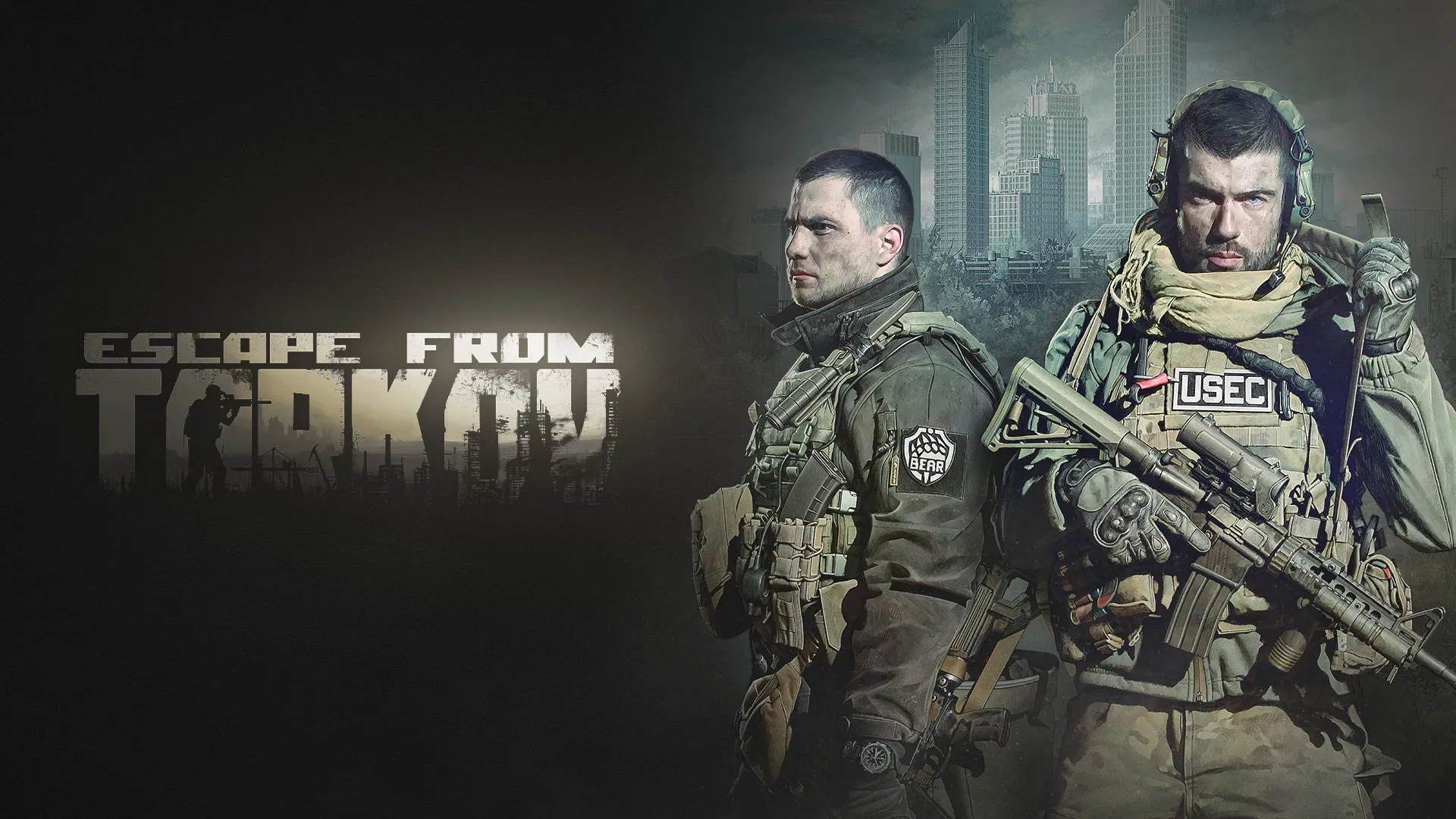
Escape from Tarkov is often reduced to discussions about weapons, ammo charts, wipes, or difficulty. Yet the most sophisticated design achievement of the game is not any single system, but the raid itself as a complete temporal experience. A raid is not merely a match; it is a lived psychological arc shaped by time pressure, uncertainty, memory, and irreversible consequence.
This article examines one full Customs raid as a narrative structure unfolding over forty-five minutes. It does not explain how to succeed, optimize, or improve. Instead, it dissects what happens - emotionally, spatially, and mentally when a player is locked inside Tarkov’s timebox. Customs is chosen because it is Tarkov in miniature: industrial, civilian, militarized, and claustrophobic all at once. Every decision echoes earlier deaths and anticipates future regret.
The Birth of Intent
The raid begins with stillness. The screen fades in, and for a fraction of a second, the world exists without intention. Then memory rushes back. The player remembers what they brought, what they fear losing, and what killed them last time. This moment is not neutral—it is loaded with pre-raid anxiety that spills into the opening seconds.
No one moves immediately. Even experienced players pause, listening. Tarkov trains its audience to treat silence as fragile and temporary. Wind through trees, distant machinery, and ambient hum form a baseline that the brain must lock onto before it can detect deviation. In these first moments, the raid feels oddly generous, as if time has not yet started counting down.
Spawn location quietly dictates intention. A spawn near Big Red pulls the mind toward offices and safes. A spawn near trailer park suggests dorms or avoidance of them. The player does not consciously decide a route; the map decides by association. The raid has not yet punished optimism.
First Contact With Uncertainty
Movement begins cautiously. The player advances not toward a goal but away from vulnerability. Bushes are avoided or abused. Hard surfaces are crossed quickly. The map narrows as invisible lanes form between known spawn points. Customs reveals its first cruelty here: you are most visible when you believe the danger has passed.
Gunshots echo in the distance. They are not alarming yet. They are used as landmarks, a way to triangulate other people’s mistakes. Death feels theoretical at this stage—possible, but not imminent. The player still believes the raid can be shaped.
Encounters during this phase often end abruptly. Someone dies without understanding how. Someone else survives without satisfaction. These early deaths are not dramatic; they are procedural, reminding everyone that the raid has already begun without waiting for readiness.
The Dorms Gravity Well
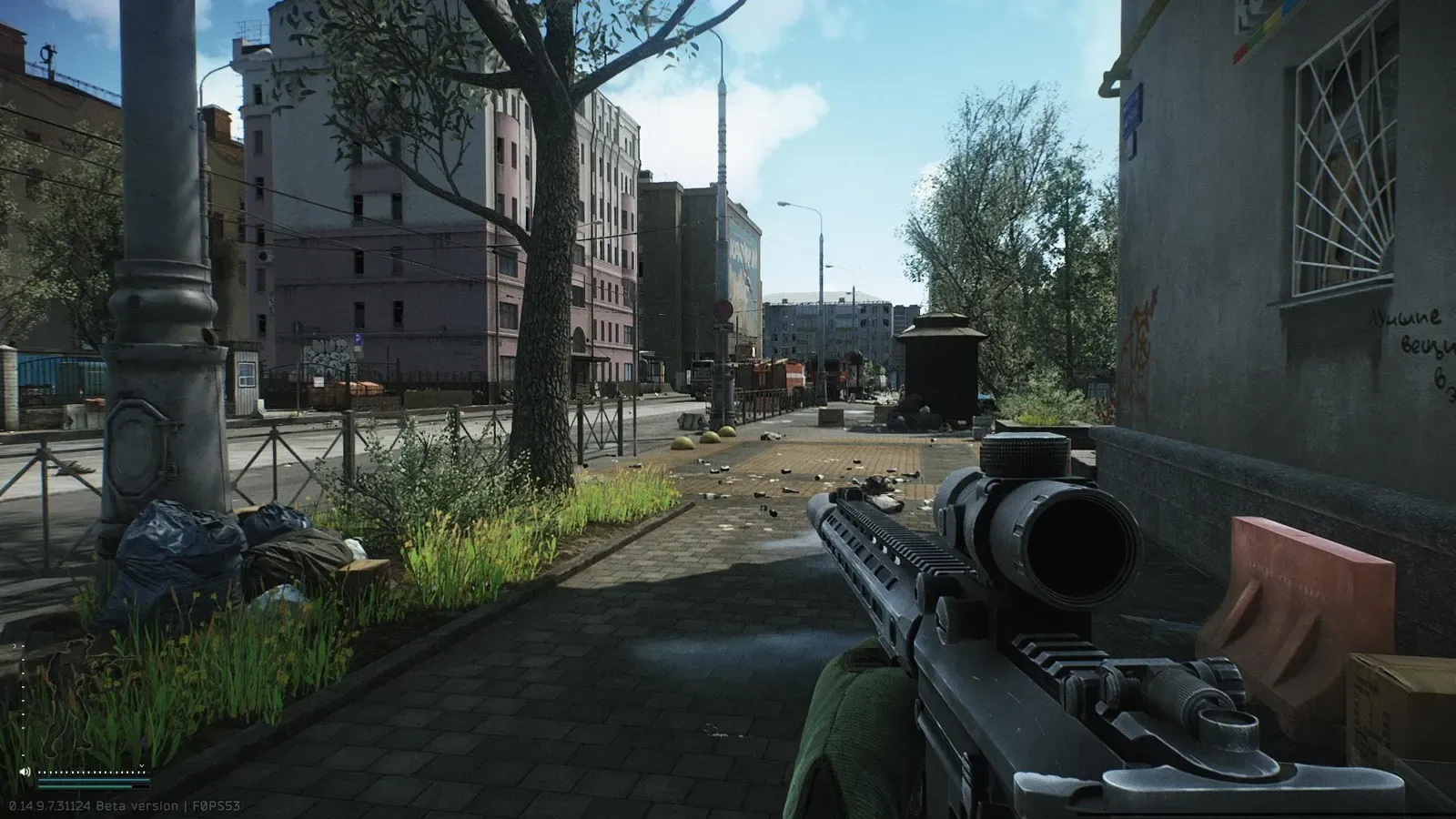
Dorms exerts a gravitational pull even on players who claim to avoid it. It is not just a location; it is a memory engine. Every footstep near dorms carries echoes of previous raids—shots through stairwells, grenades bouncing wrong, bodies on second floor hallways.
Approaching dorms changes posture. The player slows down, not because of caution alone, but because time thickens here. Seconds stretch. Doors are imagined as threats even before they are opened. The building feels occupied even when it is empty.
This is where Tarkov begins to feel unfair in a deliberate way. Information is partial. Sounds are distorted. Verticality breaks intuition. Dorms does not reward confidence or patience consistently; it rewards survival through chaos. Leaving dorms alive feels less like success and more like escape from a memory trap.
The Illusion of Control
After dorms—or after deciding not to engage with it—the raid enters a deceptive phase. The player feels settled. Loot has been found. A task item might be secured. Health is intact or patched up. This is the most dangerous moment in the raid, because it feels earned.
The map opens again. Sightlines lengthen. The player begins to plan extraction routes not as hypotheticals but as intentions. Internal narration shifts from “if I survive” to “when I extract.” Tarkov quietly prepares to punish this linguistic change.
Scavs appear here as reminders that the world is still hostile but manageable. They are predictable enough to be comforting, unpredictable enough to demand attention. Killing a scav feels like regaining agency, even though it often broadcasts your presence to others.
Mid-Raid Amnesia
At this point, the raid has settled into rhythm. The player forgets the opening fear. The weight of the kit feels lighter, not because it is, but because it has not yet been taken away. Time becomes elastic. Five minutes can pass unnoticed.
This is where mistakes happen without drama. Reloads are delayed. Corners are rounded loosely. Sounds are dismissed as ambience. Tarkov thrives on this lull, using it to reset tension without resetting danger.
Memory becomes unreliable here. Players misremember which doors they checked, which angles they cleared. The raid begins to overwrite itself. This is not boredom; it is cognitive fatigue introduced by sustained vigilance.
The Second Spike of Violence
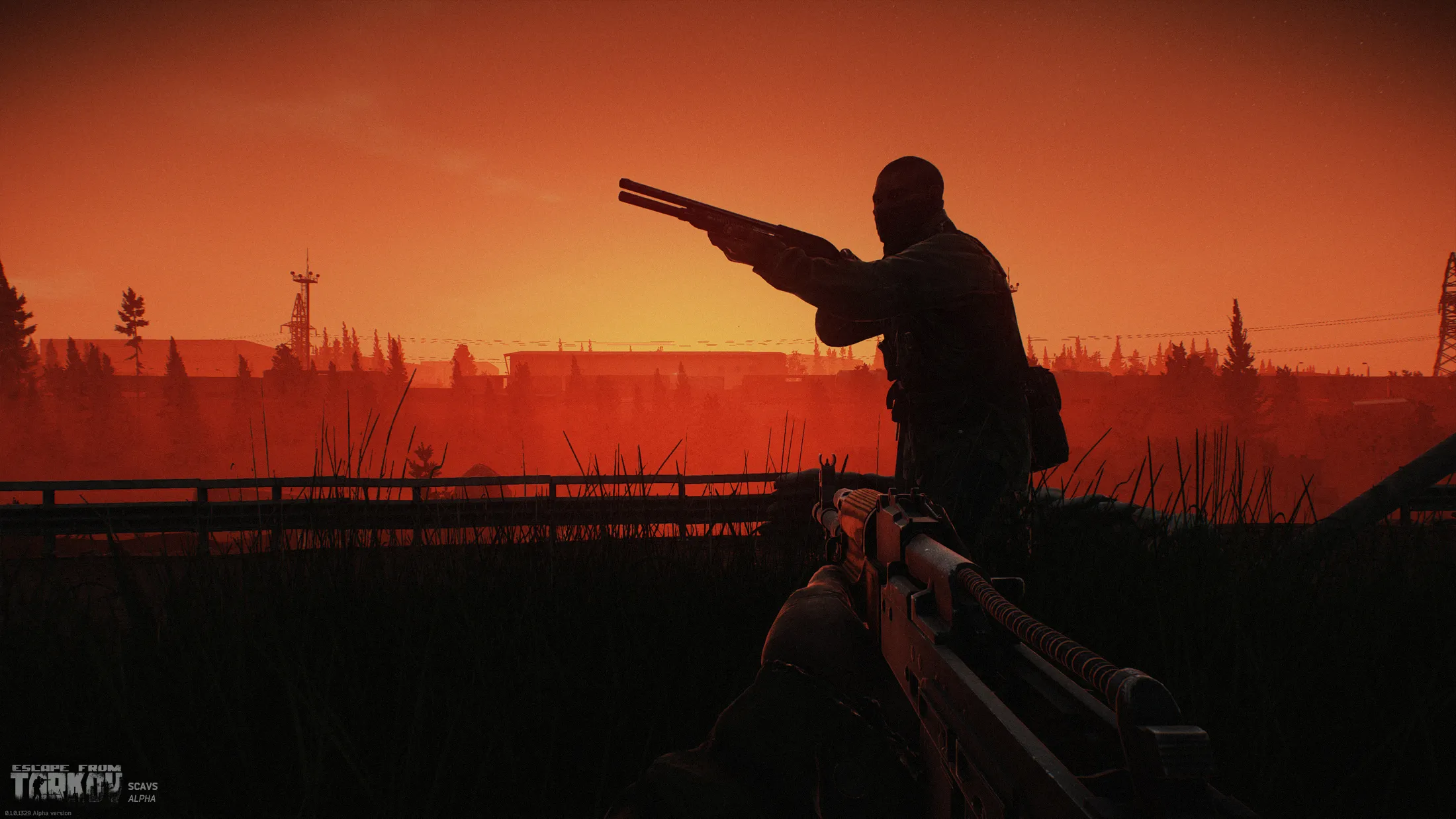
Mid-to-late raid violence is different from early chaos. Survivors are fewer, but intentions are sharper. Those still alive have something to lose. Fights here are deliberate, tense, and often decisive.
Gunfire sounds closer now because it is. Engagements last longer. Players reposition, disengage, and re-engage. Death here feels heavier, not because the kit is better, but because survival time has been invested.
This phase often produces the most vivid memories of a raid. A single missed shot. A jam. A grenade that lands perfectly or disastrously. Tarkov etches these moments into long-term memory because they arrive after hope has formed.The Weight of Loot
Loot changes posture. The heavier the backpack, the narrower the world feels. Stamina drains faster. Sounds feel louder. Every bush threatens exposure. The player begins to think in terms of loss rather than gain.
Value becomes abstract. Items are no longer just roubles; they are proof that the raid mattered. Dropping loot to survive feels like betrayal of time already spent. Tarkov weaponizes sunk cost without ever naming it.
Movement slows not because of weight alone, but because of attachment. The player is no longer exploring the map—they are carrying a story they do not want to lose.
Extraction Anxiety
Extraction zones are never comforting. Even when empty, they feel observed. The player checks the clock more frequently now, not because time is short, but because it is measurable.
Paths toward extraction are walked with exaggerated caution. Open areas feel hostile. Familiar landmarks become threatening because they mark proximity to the end. Tarkov ensures that the closer you are to safety, the more you expect disaster.
This is where paranoia peaks. Every sound is a player. Every shadow is intentional. The mind rehearses death repeatedly, preparing emotionally for failure even while moving forward.
The Final Interruption
Many raids end here - not at extraction, but just before it. A scav in an unexpected place. A player camping out of boredom or principle. These deaths feel cruel because they interrupt closure.
If combat occurs here, it is sharp and brutal. There is no room for repositioning. Victory feels hollow. Defeat feels obscene. The raid resists tidy endings.
Surviving this phase produces a strange calm. The player knows the raid has one last attempt to take everything away. If it fails, the contract is complete
Extraction as Release, Not Triumph
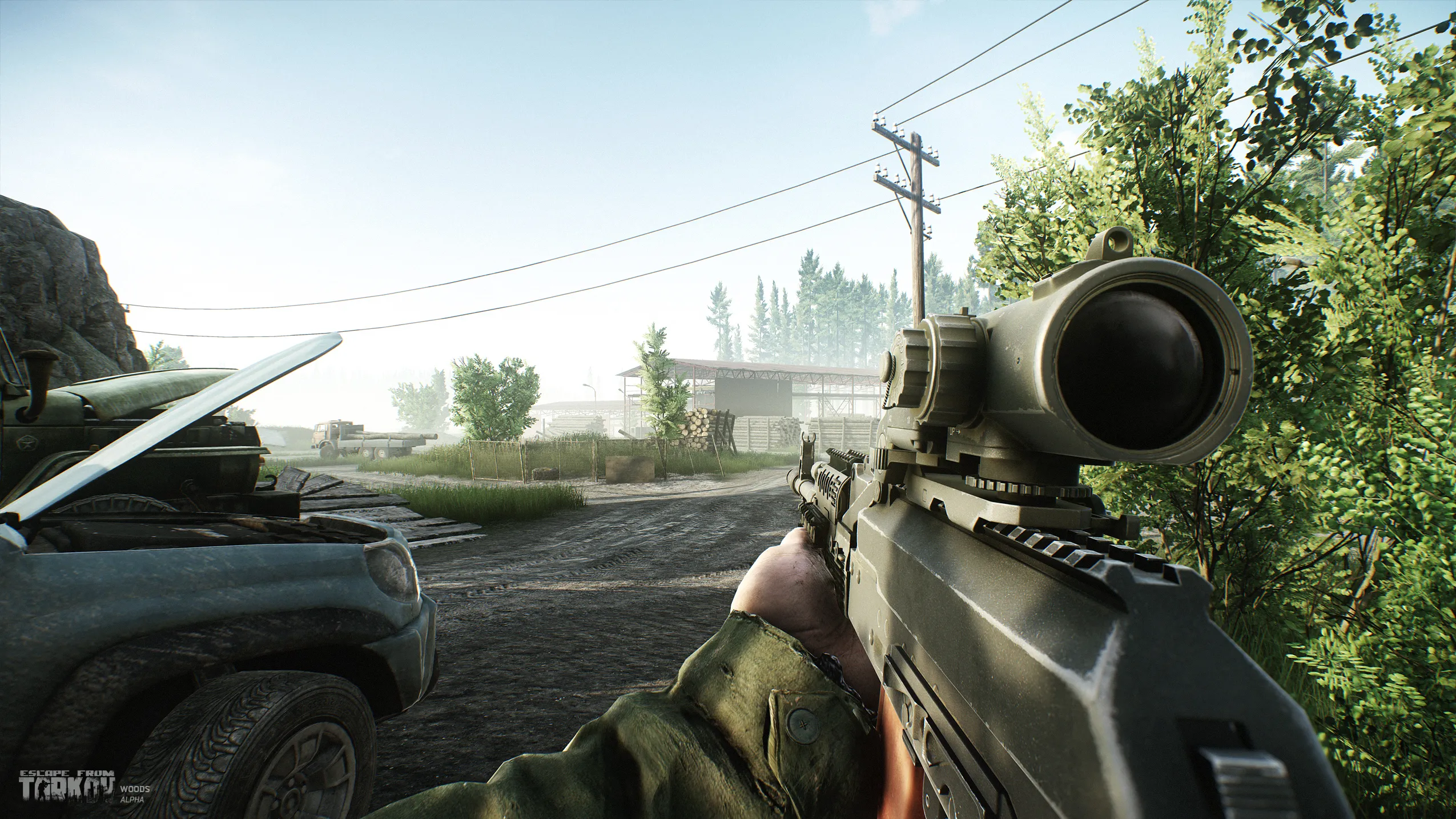
Standing in extraction is not celebration. It is decompression. The body remains tense until the screen fades. Tarkov does not reward survival with fanfare; it simply stops punishing you.
Post-raid screens feel unreal. The gear survived. The loot is accounted for. The raid becomes a memory immediately, stripped of fear and reinterpreted as story.
This is Tarkov’s final trick: making suffering feel meaningful in retrospect. The next raid is already calling, armed with the memory of this one.