






Few games have captured global attention quite like Hogwarts Legacy. Built around the iconic universe created by J. K. Rowling, the game offers players a chance to step directly into a magical world that has long existed in books and films.
Rather than retelling a familiar story, Hogwarts Legacy creates a new narrative, giving players the freedom to shape their own journey within this universe. This approach allows both longtime fans and new players to experience the world in a more personal and interactive way.

A School That Feels Alive
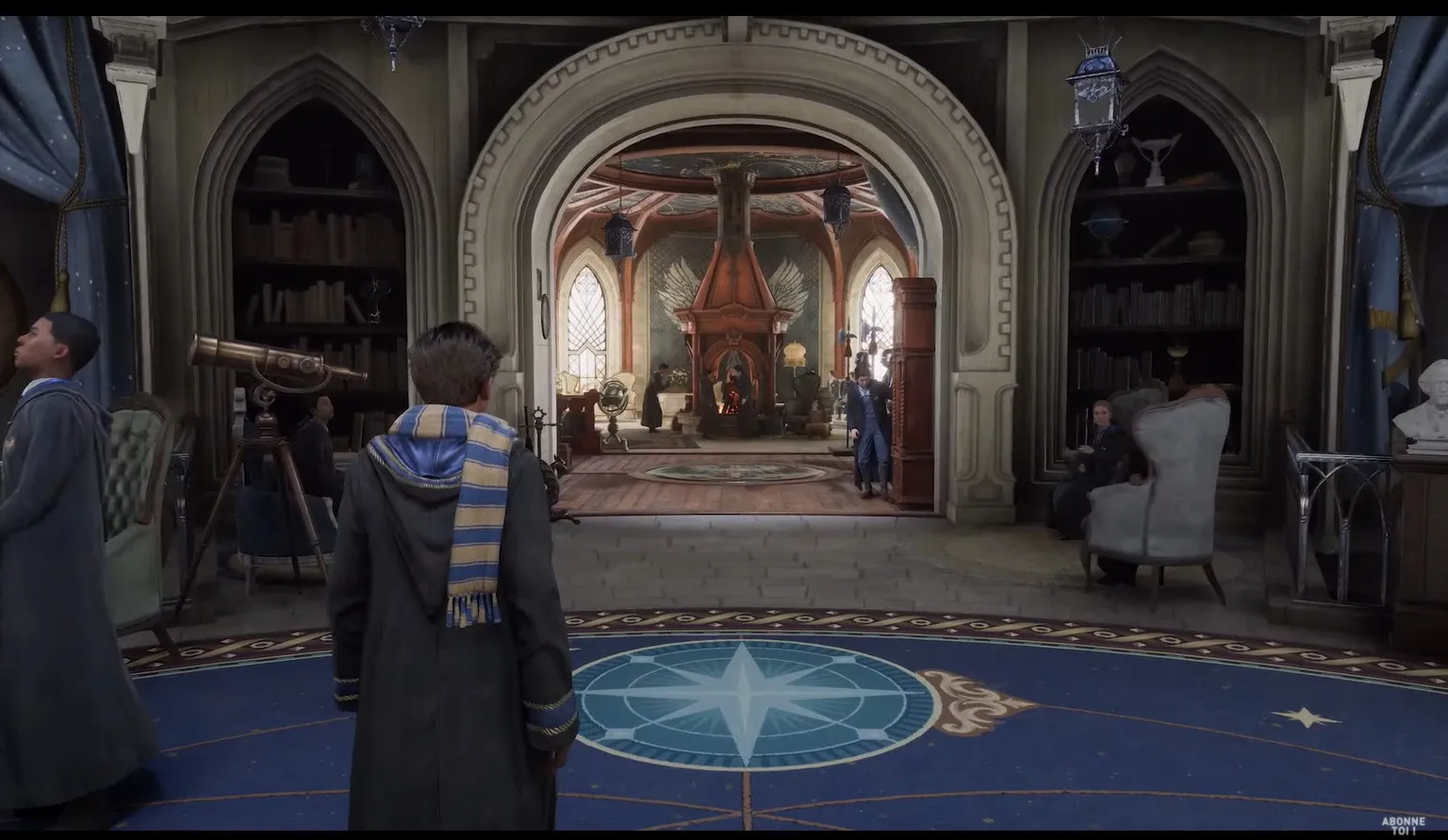
At the heart of the game lies Hogwarts itself, a setting that goes beyond simple visual recreation. The castle feels alive, filled with moving staircases, hidden rooms, and ever-changing details.
Walking through its halls is not just about reaching objectives. It is about discovery. Every corridor invites curiosity, and every secret found reinforces the sense of being part of a living world. The environment becomes a character in its own right, shaping how players experience the game.
Player Choice and Personal Identity
Hogwarts Legacy places a strong emphasis on player agency. From the moment the journey begins, players define who they are through choices that affect their abilities, relationships, and progression.
Magic is not just a tool for combat—it is an extension of identity. The spells players choose, the paths they follow, and the decisions they make all contribute to a personalized experience.
This freedom allows players to feel ownership over their story, making each playthrough distinct.
Exploration Beyond the Castle
While Hogwarts is the central focus, the world extends far beyond its walls. Surrounding areas, including villages and wild landscapes, provide a broader context for the adventure.
Exploration is driven by curiosity rather than obligation. Players are encouraged to wander, uncover hidden challenges, and engage with the environment at their own pace. This open-world structure ensures that the experience remains engaging over time.
Combat and the Flow of Magic
The combat system in Hogwarts Legacy blends action with spellcasting, creating a dynamic flow that feels both strategic and visually engaging.
Players combine spells, timing, and positioning to overcome enemies. The system rewards experimentation, allowing different approaches depending on playstyle. This balance between accessibility and depth keeps combat consistently engaging.
Nostalgia Meets Modern Design
One of the game’s strongest appeals lies in its ability to balance nostalgia with innovation. Familiar elements from the Wizarding World are reimagined through modern game design, creating an experience that feels both comforting and new.
For many players, the game is not just about gameplay—it is about fulfilling a long-held fantasy. This emotional connection plays a significant role in its popularity.
A Cultural and Gaming Phenomenon
Hogwarts Legacy quickly became more than just a successful release. It sparked conversations across social media, streaming platforms, and gaming communities.
Players share their experiences, discoveries, and personal stories, turning the game into a shared cultural moment. This level of engagement extends its impact far beyond the screen.
Conclusion: The Future of Fantasy Gaming
Hogwarts Legacy demonstrates the enduring appeal of immersive fantasy worlds. By combining detailed environments, meaningful choices, and engaging gameplay, it sets a strong example for future titles in the genre.
As gaming continues to evolve, experiences like this highlight the importance of immersion and player agency. In the end, the true magic of Hogwarts Legacy lies not just in its spells, but in its ability to make players feel like they truly belong in its world.