Frozen Lines, Diminishing Choices: How Rising Front’s Persistent Frontline System Undermines Tactical Agency
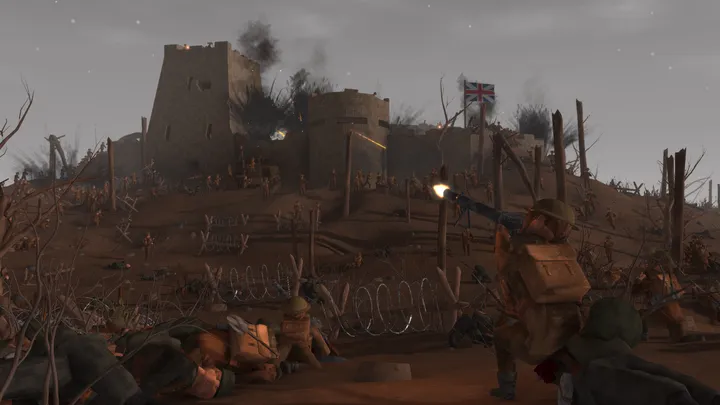
Rising Front positions itself as a tactical, large-scale warfare experience where every decision contributes to a living battlefield. Unlike traditional multiplayer shooters or strategy hybrids, Rising Front emphasizes persistent frontlines: territory changes hands slowly, battles bleed into one another, and individual matches are meant to feel like fragments of a greater war effort. This design promises meaning beyond the single round—victory and defeat are supposed to echo forward.
However, beneath this ambitious structure lies a critical design issue: the persistent frontline system gradually transforms tactical choice into attritional inevitability. As fronts stabilize and pressure accumulates, player agency erodes. Decisions matter less not because players lack skill, but because the system increasingly rewards raw presence over tactical intelligence.
This article examines that issue in depth, tracing how Rising Front’s frontline persistence shapes player behavior over time, why it compresses strategic variety, and how it ultimately shifts the experience from tactical warfare to numerical endurance.
1. The Vision of Persistent Warfare in Rising Front
Rising Front’s defining feature is continuity. Battles are not isolated events; they are chapters in a prolonged conflict. Frontlines advance or retreat incrementally, and players are meant to feel like soldiers in a grinding war rather than heroes in discrete matches.
This vision is compelling. It suggests that patience, coordination, and long-term planning matter more than individual performance spikes.
H3: Meaning Beyond the Match
The system encourages players to think in terms of:
- Holding ground
- Wearing down enemy supply
- Gradual territorial pressure
H4: The Promise of Agency
At its best, this structure implies that smart decisions today shape tomorrow’s battlefield.
2. Early Frontline States: Tactical Freedom Exists
In the early stages of a campaign or newly contested region, Rising Front feels strategically alive. Frontlines are fluid, objectives are varied, and small tactical maneuvers can swing momentum.
H3: Maneuver Warfare Emerges
Players experiment with:
- Flanking routes
- Timing pushes with reinforcements
- Coordinated multi-angle assaults
H4: Tactical Reward
Smart play is visibly rewarded. Territory changes hands quickly, and players feel their choices matter.
3. The Gradual Hardening of the Front
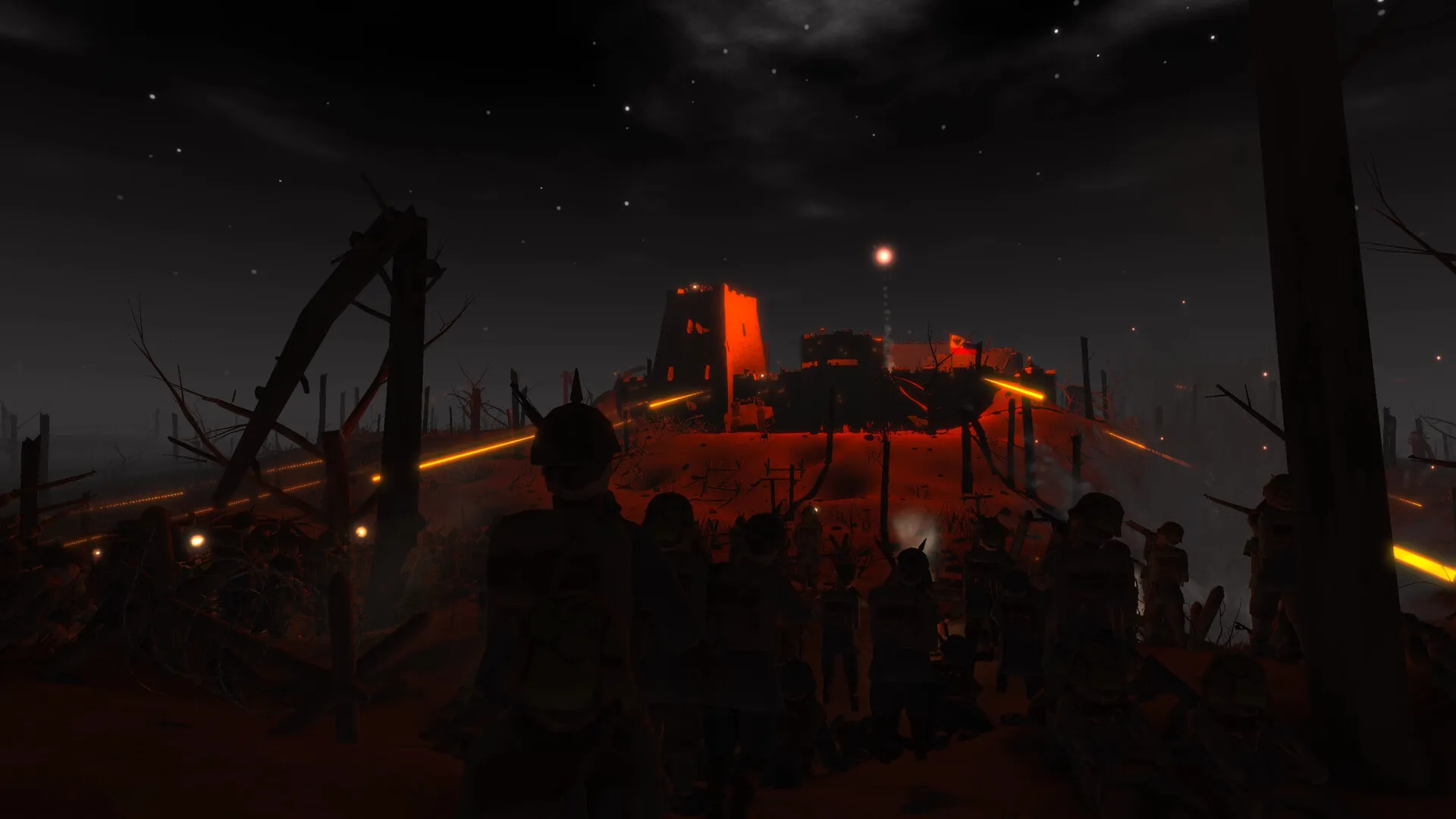
As time passes, frontlines stabilize. Defensive structures accumulate. Spawn points optimize. Choke points emerge.
What was once dynamic becomes rigid.
H3: Terrain Saturation
Repeated battles carve predictable paths of engagement.
H4: Strategic Narrowing
The number of viable approaches shrinks—not by design intention, but by emergent habit.
4. Persistence Becomes Resistance to Change
The same persistence that gives Rising Front its identity also resists tactical disruption.
H3: Accumulated Defenses
Defensive advantages stack over time:
- Fortifications
- Optimized firing lanes
- Familiarity with terrain
H4: Momentum Lock
Breaking a fortified frontline requires overwhelming force rather than clever maneuvering.
5. Attrition Replaces Strategy
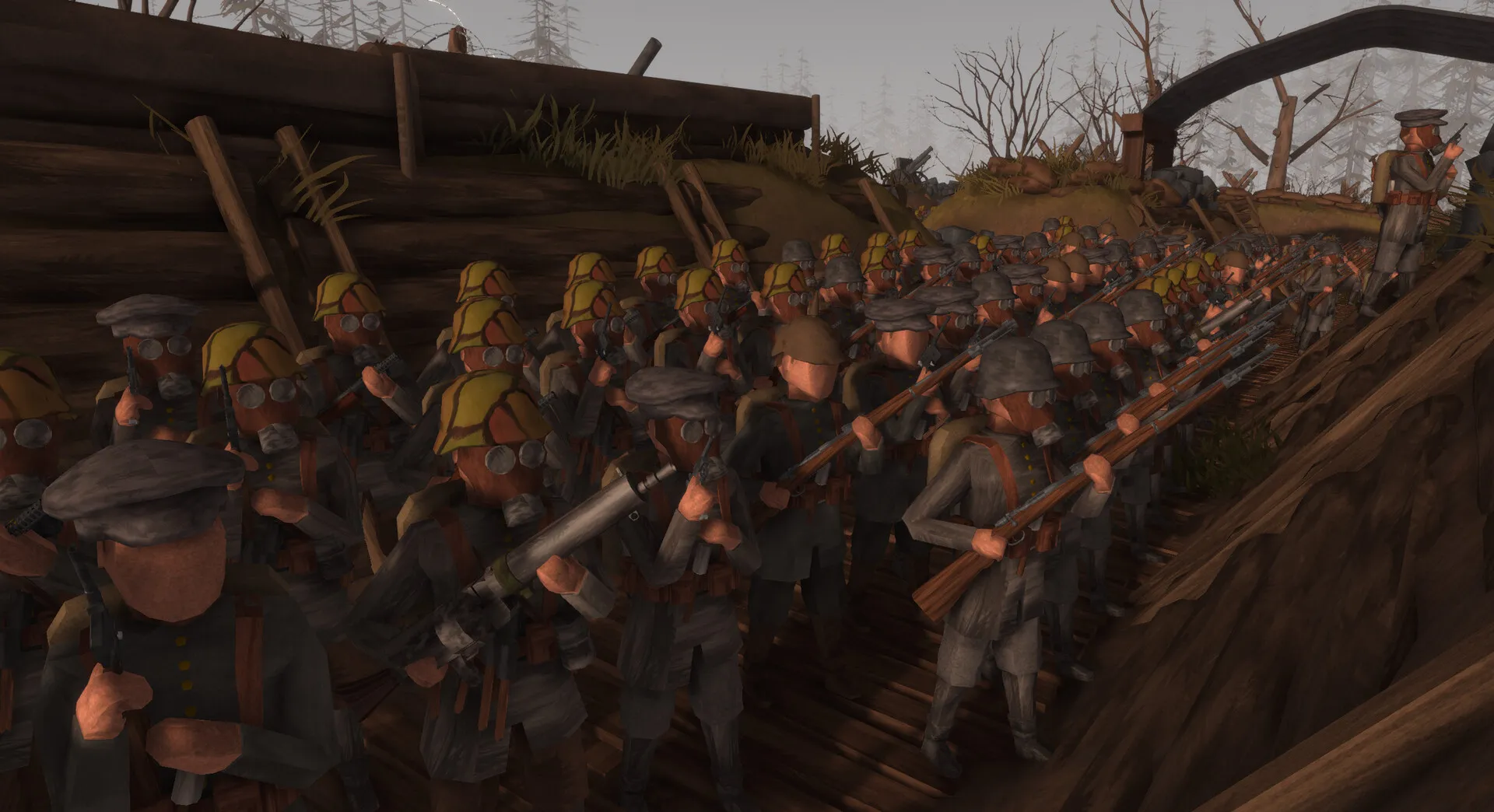
At this stage, Rising Front begins to shift subtly. Success is no longer about how players act, but how many act and how long they persist.
H3: Numbers Over Nuance
Repeated pressure becomes the primary path forward.
H4: Tactical Devaluation
Flanking, deception, and timing lose effectiveness when sheer presence dominates outcomes.
6. Player Decision-Making Under Attritional Pressure
As attrition becomes central, player choices change.
H3: Reactive Play
Players stop planning and start responding:
- Reinforce the line
- Fill empty roles
- Grind objectives
H4: List – Common Mid-to-Late Campaign Behaviors
- Repeating the same push routes
- Ignoring unconventional tactics
- Prioritizing spawn proximity over positioning
- Valuing time invested over execution quality
Agency narrows not because players want it to—but because the system demands it.
7. The Psychological Impact of Static Frontlines
When progress slows to inches, morale changes.
H3: Fatigue Over Engagement
Players feel like cogs in a machine rather than decision-makers.
H4: Emotional Detachment
Individual success feels diluted when territorial change is barely perceptible.
8. Coordination Without Creativity
Large-scale coordination remains important, but its nature changes.
H3: Logistics Replace Tactics
Communication focuses on:
- Reinforcement timing
- Resource flow
- Maintaining numbers
H4: Loss of Tactical Identity
Teams function efficiently, but predictably.
9. Comparison to Other Persistent Warfare Systems
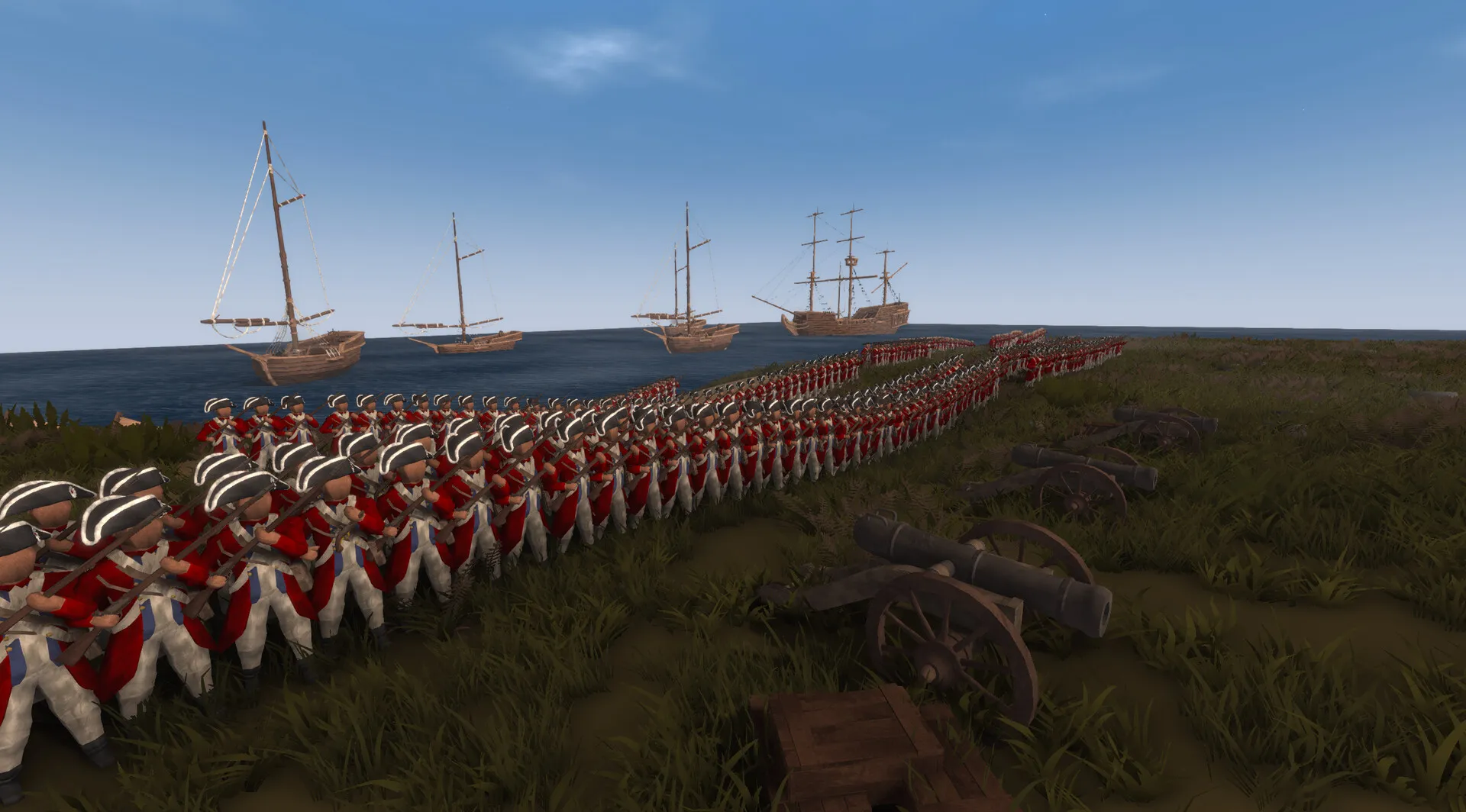
Other games with persistent fronts often include mechanisms to reintroduce volatility.
H3: Missing Elasticity
Rising Front lacks:
- Frontline decay
- Temporary disruption mechanics
- Tactical reset events
H4: Consequence of Permanence
Without elasticity, persistence hardens into stagnation.
10. The Core Issue: Persistence Without Strategic Reset
The core issue in Rising Front is not persistence itself, but persistence without mechanisms that restore tactical relevance over time.
H3: Design Tension
Rising Front wants:
- Meaningful continuity
- Tactical depth
- Player agency
But continuity slowly consumes depth.
H4: Possible Design Adjustments
- Periodic frontline volatility events
- Diminishing defensive returns over time
- Temporary terrain changes
- Tactical bonuses for unconventional success
These could preserve persistence while restoring agency.
Conclusion
Rising Front is ambitious in scope and commendable in intent. Its persistent frontline system offers a vision of warfare rarely attempted in games—a slow, grinding conflict where individual battles contribute to a larger narrative.
However, over time, that same persistence undermines tactical agency. As fronts harden and attrition dominates, strategic choice collapses into numerical endurance. Players still matter—but how they play matters less than how long they play.
This does not negate Rising Front’s strengths, but it exposes a critical fragility in its design. For persistence to remain meaningful, it must allow renewal. Without mechanisms to reintroduce volatility and reward tactical disruption, Rising Front risks turning strategy into routine—and agency into obligation.