







Introduction
F1® 25 is not just a racing game—it is a deep motorsport simulator that rewards patience, technical understanding, and consistent execution. Many new players struggle because they approach F1® 25 like an arcade racer, when in reality it demands the mindset of a real Formula 1 driver. Winning is not about raw speed alone, but about preparation, setup, racecraft, and long-term decision-making.
This how-to guide is written to help players progress naturally from beginner to confident competitor. Instead of reviewing features, this article focuses on how to play, how to improve, and how to win in F1® 25. Each section follows a logical timeline: learning controls, mastering driving techniques, optimizing setups, managing races, and improving career results.
By the end of this guide, you will understand not only how to drive faster, but how to think like a professional F1 driver inside the game.
1. How to Set Up Your Controls and Assists Correctly
Before turning a wheel, success in F1® 25 starts with proper control configuration. The default settings are designed for accessibility, not long-term performance. Whether you use a controller or a racing wheel, small adjustments can dramatically improve consistency and confidence.
For controller players, throttle and brake sensitivity are critical. Lowering brake pressure slightly helps avoid lock-ups, especially when ABS is disabled or reduced. Steering linearity should be adjusted to allow smoother inputs, preventing sudden overcorrections at high speed. Dead zones should be minimal, ensuring instant feedback.
Wheel users should focus on force feedback strength and rotation angle. A rotation between 300–360 degrees usually offers the best balance between realism and responsiveness. Excessive force feedback can cause fatigue and reduce precision during long races, so clarity is more important than strength.
Key setup principles:
- Reduce brake pressure for smoother stops
- Avoid overly aggressive steering sensitivity
- Prioritize comfort over realism early on
2. How to Learn Tracks Efficiently Before Racing
Knowing the track is more important than having the fastest car. In F1® 25, each circuit has unique braking zones, corner rhythms, and elevation changes. Players who rush into races without learning layouts will struggle with consistency and tire wear.
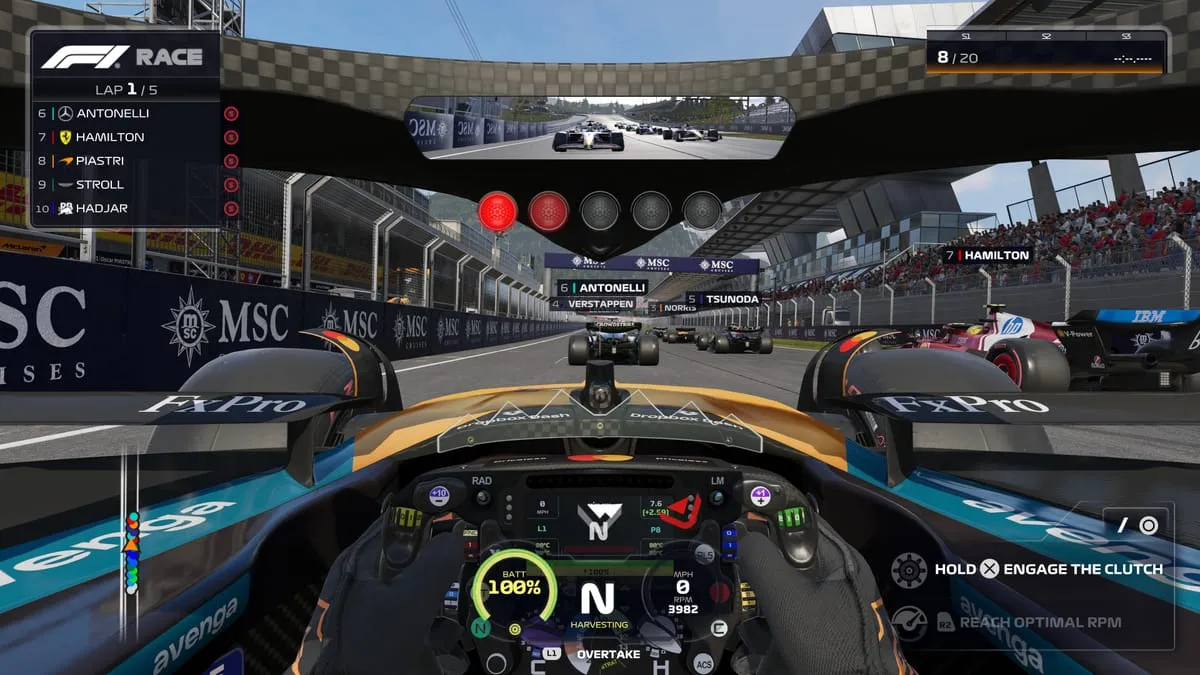
Time Trial mode is the best environment for track learning. It removes pressure from traffic and strategy, allowing full focus on braking points and racing lines. Begin by driving slowly and consistently, gradually increasing speed as confidence grows.
Use track markers as reference points. Brake boards, curbs, and shadows help establish reliable braking zones. Over time, muscle memory replaces visual cues, making your driving smoother and faster.
Track learning checklist:
- Identify heavy braking zones
- Memorize corner sequences, not individual turns
- Practice exits, not just entries
3. How to Master Braking and Corner Entry
Braking is the single most important skill in F1® 25. Most lap time is gained or lost under braking, not acceleration. New players often brake too late, too hard, or too inconsistently.
The key is progressive braking. Instead of slamming the brake pedal, apply pressure smoothly and release gradually as you approach the apex. This maintains grip and stability, especially with reduced assists.
Trail braking—carrying light brake pressure into the corner—helps rotate the car and improves corner entry. It takes practice but dramatically increases control in medium-speed turns.
Common braking mistakes:
- Locking wheels due to excessive pressure
- Releasing brakes too early
- Ignoring car balance during deceleration
4. How to Take Corners with Proper Racing Lines
Cornering in F1® 25 is about maximizing exit speed, not entry aggression. The classic racing line—wide entry, late apex, wide exit—applies to most corners and helps preserve traction.
Slow-in, fast-out is the guiding principle. Sacrificing entry speed allows earlier throttle application, which is crucial for lap time and overtaking opportunities. Many players lose time by attacking corners too aggressively and compromising exits.
Different corner types require different approaches:
- Hairpins benefit from very late apexes
- High-speed corners reward stability and smooth steering
- Chicanes demand rhythm and balance
Mastering racing lines takes repetition, but once learned, consistency improves dramatically.
5. How to Accelerate and Manage Traction
Acceleration is where races are often won or lost. In F1® 25, aggressive throttle use can cause wheelspin, overheating tires, and poor exits. Smooth throttle application is essential.
Traction control settings influence how aggressive you can be. With assists lowered, throttle modulation becomes critical. Apply throttle gradually, especially while steering, and aim to straighten the wheel before full acceleration.
Short-shifting—upshifting earlier than optimal RPM—can reduce wheelspin and improve consistency in traction-limited corners. While it sacrifices peak power, it often results in faster real-world lap times.
Throttle control tips:
- Avoid full throttle while turning sharply
- Use gears to manage traction
- Focus on exit stability over raw power
6. How to Build a Competitive Car Setup
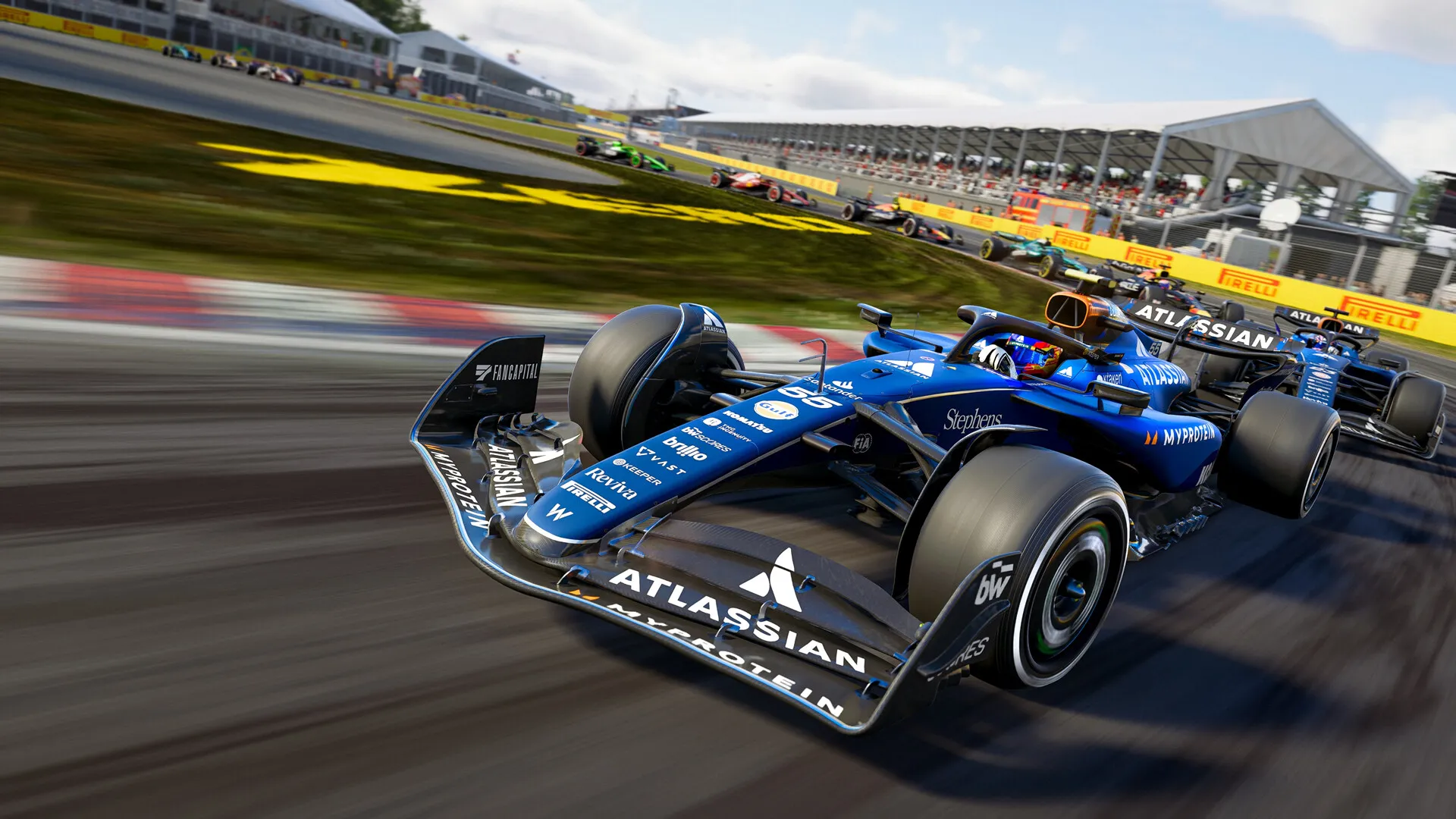
Car setup is one of the most complex but rewarding aspects of F1® 25. While default setups are usable, customizing them improves comfort and performance.
Aerodynamics affect speed and stability. Higher downforce improves cornering but reduces straight-line speed. Beginners benefit from higher downforce for control, while experienced players can lower it for efficiency.
Suspension and ride height influence grip and responsiveness. Softer setups improve traction but reduce responsiveness. Stiffer setups enhance precision but punish mistakes.
Setup priorities for beginners:
- Stable rear end
- Predictable braking behavior
- Balanced tire wear
7. How to Manage Tires During a Race
Tire management separates fast drivers from winning drivers. In F1® 25, pushing too hard early leads to degraded performance later in the race.
Smooth steering, controlled braking, and gentle throttle application reduce tire wear. Avoid aggressive direction changes and unnecessary sliding. Monitor tire temperatures and adjust driving style if overheating occurs.
Choosing the right compound is equally important. Softer tires offer speed but degrade quickly, while harder compounds provide longevity. Race length, weather, and driving style all influence the optimal choice.
Tire-saving habits:
- Brake earlier and smoother
- Avoid wheelspin
- Drive consistently, not aggressively
8. How to Use ERS and Fuel Strategically
Energy Recovery Systems (ERS) provide temporary power boosts, but poor management wastes potential. Using ERS during overtakes, defense, and corner exits maximizes its effectiveness.
Fuel management is also crucial. Running in rich fuel modes increases power but raises consumption. Lean modes save fuel but reduce pace. Switching modes strategically helps maintain optimal race performance.
Key ERS usage moments:
- Exiting slow corners
- Defending on straights
- Overtaking attempts
9. How to Race Against AI and Other Players
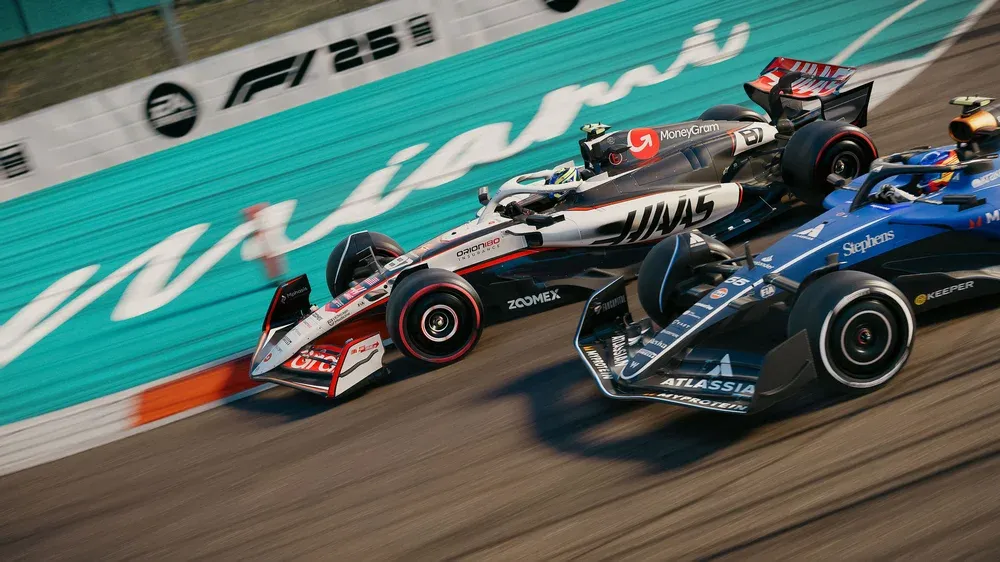
Racing others requires situational awareness and patience. Dive-bomb overtakes often fail and cause penalties or collisions. Clean overtakes are planned several corners ahead.
Against AI, learning their tendencies helps. AI often brake early but accelerate strongly. Against players, unpredictability increases, making consistency and defense more important.
Defensive driving should be firm but fair. Hold your line, avoid weaving, and force opponents to take longer routes around you.
10. How to Progress in Career and Long-Term Play
Career Mode in F1® 25 rewards strategic thinking beyond individual races. Resource management, development choices, and team objectives influence long-term success.
Upgrading facilities improves car performance over time. Focus on upgrades that match your driving style. Consistent finishes often matter more than occasional wins.
Long-term improvement comes from reflection. Analyze mistakes, review telemetry if available, and adjust settings gradually.
Career success principles:
- Consistency over risk
- Incremental improvements
- Strategic development choices
Conclusion
F1® 25 is a game of discipline, learning, and execution. Winning does not come from aggression alone, but from understanding mechanics, mastering fundamentals, and refining techniques over time. By focusing on smooth driving, smart setups, tire management, and race strategy, any player can improve dramatically.
This step-by-step how-to approach allows players to grow naturally, building confidence and skill with each session. Whether you aim to dominate Career Mode or compete online, the principles in this guide will help you race smarter—and faster.
160-Character Summary
Learn how to master F1® 25 with step-by-step driving, setup, tire, and race strategy tips designed to help you improve and win consistently.