.webp)





DOTA 2 ULTIMATE MASTERY: THE COMPREHENSIVE GUIDE TO ASCENDING THE MMR LADDER
Dota 2 is more than just a Multiplayer Online Battle Arena (MOBA); it is a complex, ever-evolving digital chess game that demands strategic foresight, mechanical precision, and emotional resilience. Developing a deep understanding of its mechanics is a lifelong journey for many players. Whether you are a newcomer struggling to understand the difference between a Tango and a Mango, or a veteran aiming to break into the Immortal bracket, mastering the fundamentals and advanced nuances of the game is essential for consistent victory.
This guide is designed to provide a structured roadmap for your improvement, covering everything from pre-game preparation to high-level endgame decision-making. We will delve into the intricacies of laning, the psychology of teamwork, and the technical aspects of resource management. By following these principles and refining your gameplay through deliberate practice, you can transform from a casual player into a formidable force on the battlefield of the Ancients. Success in Dota 2 is not just about fast fingers; it is about outthinking your opponent at every turn of the clock.

1. MASTERING THE BASICS: SETTING UP FOR SUCCESS BEFORE THE HORN
Success in Dota 2 begins long before the first creep wave meets. Your technical setup and in-game settings are the foundation of your performance. Ensure your hotkeys are optimized for quick access to spells and items, and consider using "Quickcast" to reduce the time between thought and action. A stable frame rate and low latency are non-negotiable; even a split-second delay can mean the difference between landing a game-winning Chronosphere or missing it entirely.
Beyond technicalities, your mental state is your most valuable asset. Dota 2 is notorious for its toxicity, but the players who climb the fastest are those who remain focused on their own play rather than blaming teammates. Develop a pre-game routine, stay hydrated, and enter the draft with a flexible mindset. Choosing the right hero for your role—one that you are comfortable with—will give you a significant psychological advantage over an opponent who is experimenting with a complex hero they haven't mastered.
2. THE DRAFTING PHASE: WINNING THE GAME AT THE HERO SELECTION
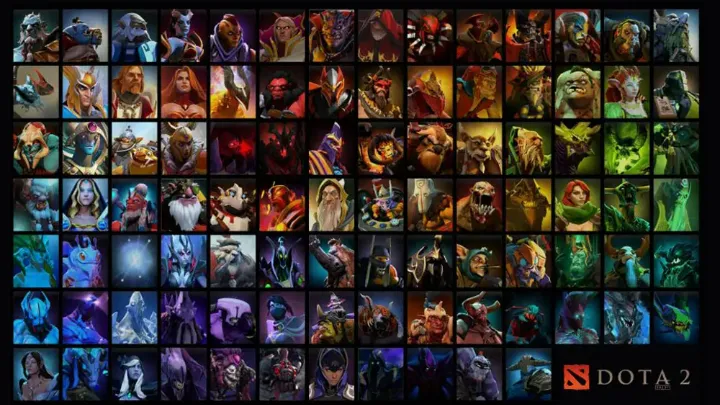
Drafting is the first real battle of the game. A well-rounded team composition needs a balance of physical and magical damage, reliable crowd control (stuns), and the ability to push towers. Pay close attention to the enemy's picks; if they pick a hero reliant on healing like Huskar or Alchemist, you must draft heroes with "Spirit Vessel" potential or natural "Healing Reduction" like Ancient Apparition.
Understanding the current "Meta" (Most Effective Tactic Available) is vital, but don't blindly pick high-winrate heroes if you don't know how to play them. It is often better to pick a "Comfort Hero" that fits the draft's needs than a "Counter Pick" that you play poorly. Ensure your team has a clear win condition: are you looking to dominate the early game and end fast, or do you have a greedy Medusa who needs 40 minutes of space to become unkillable?
Core Roles and Responsibilities
Every hero in the draft falls into a specific category that dictates their farm priority and map movement.
- Position 1 (Safe Lane Carry): Focuses on last-hitting and late-game scaling.
- Position 2 (Mid Lane): Focuses on level advantage and tempo-controlling the map.
- Position 3 (Offlane): Focuses on initiating fights and being a tanky nuisance for the enemy carry.
3. THE LANING STAGE: FOUNDATIONS OF WEALTH AND POWER
The first 10 minutes of the game, known as the laning stage, often dictate the pace of the rest of the match. For carries, the priority is "Last Hitting"—securing the gold from dying creeps—while for supports, the goal is to "Harass" the enemy and protect their core. Learning the rhythm of "Creep Aggro" (pulling enemy creeps toward you to move the lane closer to your tower) is a fundamental skill that separates Archon players from Ancients.
Denying your own creeps is just as important as securing last hits, as it deprives the enemy of gold and experience. Keep a constant eye on the mini-map to spot potential "Ganks" from the enemy mid-laner. If the lane becomes too dangerous, don't be afraid to retreat to the jungle to catch up on farm. Efficiency in the first few minutes allows you to reach your first major item timing, such as a Power Treads or a Blink Dagger, which can swing the momentum in your favor.
4. RESOURCE MANAGEMENT: THE ART OF EFFICIENT FARMING
Farming is not just about killing whatever is in front of you; it is about "Patterns." High-level players follow farming patterns that maximize gold per minute (GPM) while moving toward objectives. This involves clearing a lane wave, then rotating into the nearby neutral camps, and returning to the lane just as the next wave arrives. "Stacking" neutral camps—pulling them away at the right time to spawn a second group—is a support's best way to boost a core's net worth.
Optimal Farming Techniques
- Tread Switching: Swapping Power Treads to Intelligence before casting spells to save mana, then back to Agility/Strength.
- Courier Usage: Never let your courier sit idle in base; always have it bringing out small items like Clarities or Wards.
- Jungle Efficiency: Use spells to clear camps faster if you have a way to replenish your mana.
Efficiency also means knowing when not to farm. If your team is fighting 4v5, and you are the carry, you must decide if the tower you can take is worth the potential loss of four teammates. Generally, unless you are certain you can change the outcome of a fight, focus on hitting your core items. Net worth is the most consistent predictor of success in pub games.
5. VISION AND MAP CONTROL: WINNING THE INFORMATION WAR
In Dota 2, information is power. "Observer Wards" provide vision that allows your team to see enemy movements, while "Sentry Wards" and "Gem of True Sight" reveal invisible heroes and enemy wards. A common mistake is placing wards in the same obvious "cliff" spots; instead, try placing "lane wards" or "deep wards" in the enemy jungle to track their farming patterns.
Map control is a direct result of vision and tower pressure. When you take down an enemy tower, you "shrink" the map for them, making it dangerous for them to farm outside their base. Use this space to take control of the "Tormentor" or secure the "Outposts." Always carry a "Town Portal Scroll" to react to enemy movements. If you see four enemies on the bottom of the map, that is your signal to play aggressively on the top side or take a tower.
6. ITEMIZATION: ADAPTING YOUR BUILD TO THE BATTLE
There is no "one-size-fits-all" item build in Dota 2. While every hero has core items, your luxury and situational items should change every game. If the enemy has a lot of magical burst, a "Black King Bar" (BKB) is mandatory. If they have high physical damage, consider a "Butterfly" or "Heaven's Halberd." Learning to read the scoreboard to see what items the enemy is building is a crucial skill.
Essential Situational Items
- Force Staff: Vital for saving yourself or teammates from spells like Clockwerk's Cogs or Slark's Pounce.
- Lotus Orb: Great for dispelling silences and reflecting targetable spells back at the caster.
- Scythe of Vyse: The ultimate late-game disable to shut down elusive carries like Anti-Mage.
Don't be afraid to buy "Aura" items if you are playing a support or offlaner. Items like "Pipe of Insight" or "Guardian Greaves" don't provide flashy stats for you, but they make your entire team significantly harder to kill during a 5v5 clash. Proper itemization is often the deciding factor in games that go past the 40-minute mark.

7. MID-GAME ROTATIONS: CONTROLLING THE TEMPO
The mid-game is characterized by heroes leaving their lanes to group up and take objectives. This is the time when the "Tempo Controller" (usually the Mid or Offlaner) shines. Successful rotations require "Smoke of Deceit," which makes your team invisible to wards, allowing you to catch the enemy off guard. A successful gank should always lead to an objective—either a Tower, Roshan, or deep vision.
Communication is key during this phase. Use the "Ping" system or voice chat to coordinate your moves. If your carry is close to a major item (like a Battle Fury or Manta Style), the rest of the team should play "away" from them to draw the enemy's attention. Understanding "Power Spikes"—the specific moments when your hero is at their strongest—will help you decide when to force a fight and when to play defensively.
8. OBJECTIVE-BASED GAMING: ROSHAN AND TOWERS
Dota 2 is won by destroying the Ancient, not by getting the most kills. Roshan is the most important objective on the map, providing the "Aegis of the Immortal," which gives a hero a second life. Always check the Roshan pit after a successful team fight. Taking Roshan not only gives you a massive advantage in the next fight but also prevents the enemy from using it to mount a comeback.
Towers provide more than just gold; they provide "True Sight" and teleportation points. High-ground sieging (attacking Tier 3 towers) is the most difficult part of the game. Never rush into the enemy base without an advantage, such as an Aegis or a significant numbers lead. Use "Illusion" heroes or "Summons" to chip away at tower health while your main team stays back in a safe position.
9. TEAM FIGHTING: POSITIONING AND TARGET PRIORITIZATION
In a chaotic 5v5 team fight, positioning is everything. Supports should stay at the back, using their spells and items to keep the cores alive, while initiators look for the perfect moment to jump in. "Target Prioritization" is equally important; usually, you want to kill the squishy but high-impact supports first, or the glass-cannon mid-laner, rather than hitting the tanky Centaur Warrunner.
Team Fight Checklist
- Check BKBs: Does the enemy have magic immunity ready?
- Save Spells: Don't use all your stuns on one person; chain them effectively.
- Buyback Status: Before committing to a big fight, check if you and your teammates have enough gold to "Buyback" if you die.
Understand the concept of "Counter-Initiation." Sometimes the best way to win a fight is to let the enemy jump in first, waste their spells on a tanky target, and then strike back when their abilities are on cooldown. Replay analysis of team fights is one of the fastest ways to improve your mechanical awareness and decision-making speed.
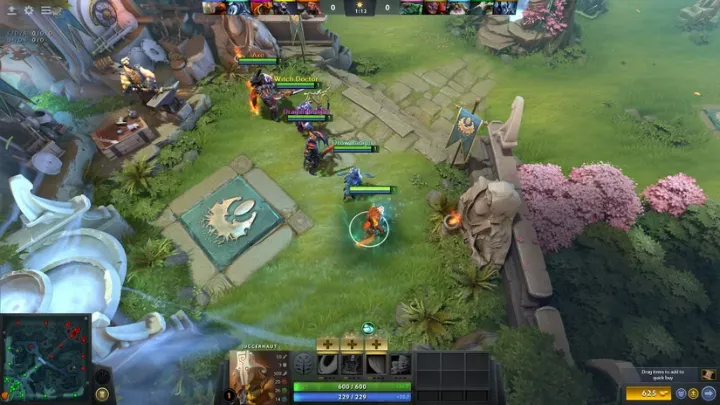
10. THE LATE GAME: MINIMIZING MISTAKES AND CLOSING OUT
The late game (40+ minutes) is a high-stakes environment where a single mistake can lead to an immediate loss. At this stage, death timers are over 70 seconds, and losing a core hero without buyback usually means the game is over. Patience is your best friend. Wait for the enemy to make a mistake, or wait for the next Roshan spawn before attempting to end.
"Vision" becomes even more critical now. Use "Scans" to check high-ground areas or common hiding spots. If the game is a stalemate, consider "Split Pushing"—sending one hero to push a different lane to force the enemy to split up. Mastery of the late game is about discipline; it is about having the nerve to stay calm when the Ancient is under attack and the courage to make the game-winning play when the opportunity arises.
CONCLUSION
Mastering Dota 2 is an arduous but incredibly rewarding process. By focusing on the fundamentals—drafting, laning, farming, and objective control—you build a framework for success that transcends any individual patch or meta. Remember that every loss is a learning opportunity. Analyzing your own replays to see where you missed a last hit or where your positioning was flawed is the hallmark of a player dedicated to improvement.
The most important tip, however, is to maintain a positive attitude. Dota 2 is a team game, and your ability to cooperate with four strangers is just as important as your ability to land a skill shot. Stay curious, keep practicing, and respect the complexity of the game. Whether you are playing for fun or for glory, the path to mastery is paved with persistence. See you on the battlefield, and may your MMR ever climb!
Dota 2 mastery guide: From drafting and laning basics to advanced farming patterns, vision control, and high-ground sieging tactics for climbing the MMR ladder.